

On November 4, 2008, as Barack Obama was projected to win the U.S. presidential election, becoming the first African American to do so, Rev. Jesse Jackson was overcome with profound emotion. Standing in the crowd at Chicago's Grant Park during Obama's victory speech, Jackson captured by television cameras shed visible tears, his face etched with a mix of joy, relief, and deep reflection. His eyes reddened and streaming, jaw clenched, he embodied the weight of decades of struggle for civil rights and racial equality.
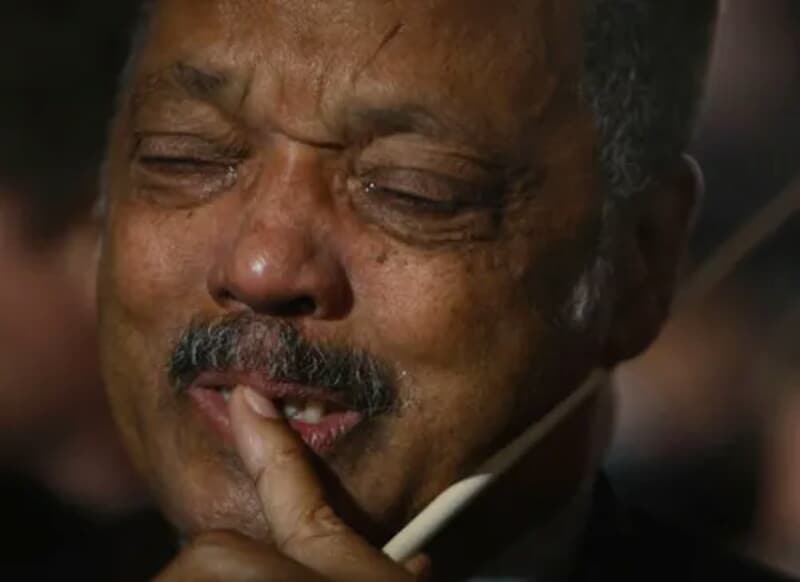
Jackson, a towering figure in the civil rights movement, had marched alongside Dr. Martin Luther King Jr., witnessed King's assassination in 1968, and run for president himself in 1984 and 1988.
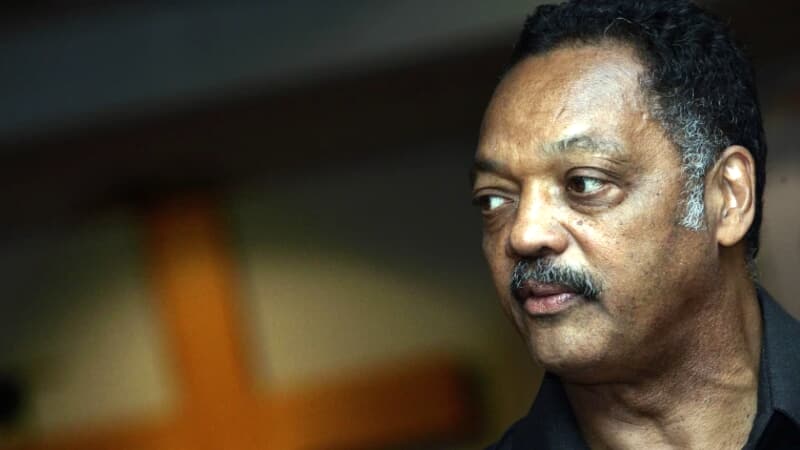
Those campaigns, though unsuccessful, mobilized millions, expanded voter registration among Black Americans, and shattered barriers by proving a Black candidate could compete seriously on a national stage. He often described Obama's victory as the "last lap of a 60-year race" a culmination of efforts from the post-World War II era through the civil rights battles of the 1950s and 1960s.
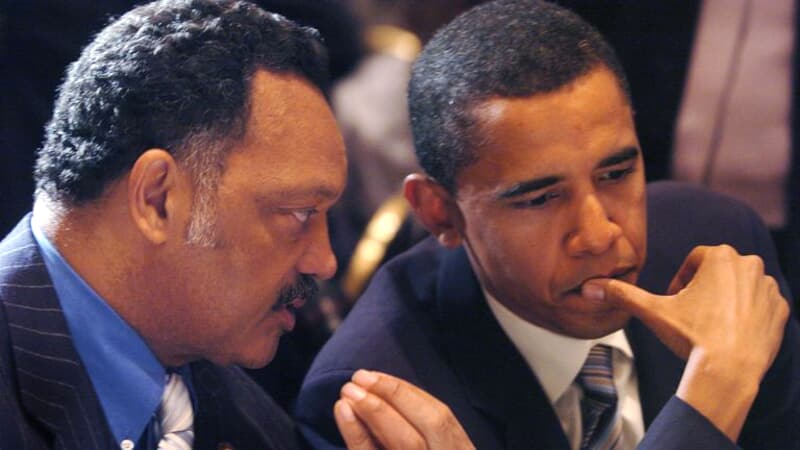
In later interviews, Jackson explained his tears were not solely for triumph but for those who had sacrificed and were no longer alive to witness it: martyrs like King, Medgar Evers, Fannie Lou Hamer, and Ralph Abernathy, plus countless unnamed activists who faced violence, imprisonment, and death.
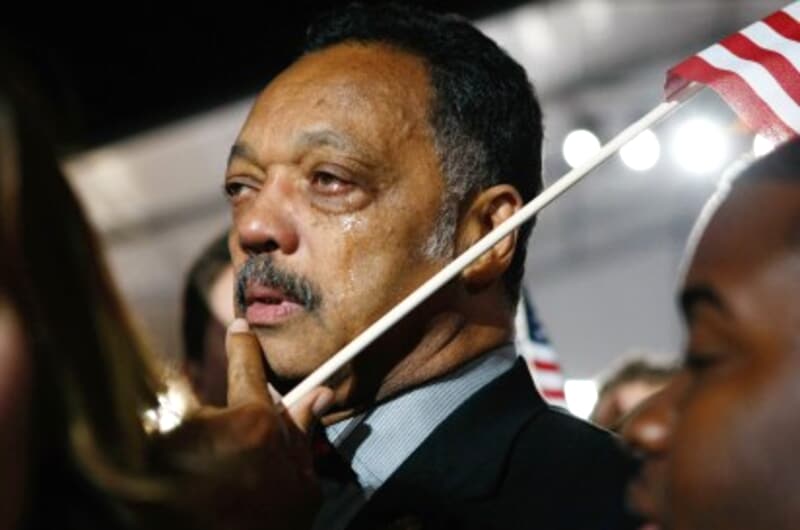
The moment represented vindication after years of marching, organizing, and enduring setbacks. It was indescribable joy mixed with poignant remembrance of lost comrades and the long, painful road traveled.
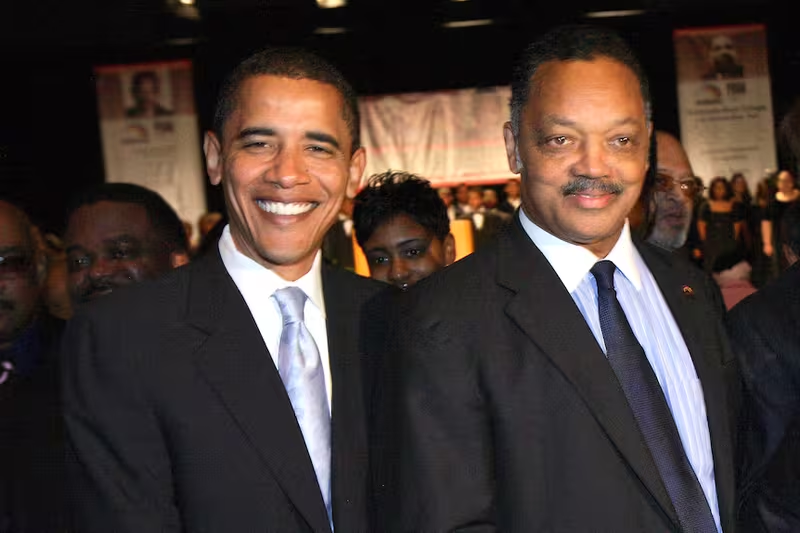
This raw display moved many viewers, symbolizing generational handover. Jackson's emotional response highlighted how Obama's win was not just personal achievement but collective redemption for a community long denied full participation in American democracy. His tears captured hope realized, pain acknowledged, and history transformed in one unforgettable night.
 Share on Facebook


